


 0116 258 8709
 uhl-tr.lhcharitymailbox@nhs.net

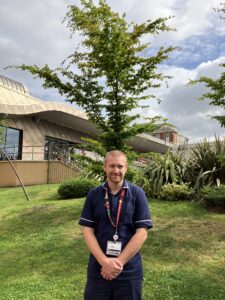
Alastair Fawkes has been a dedicated Charge Nurse in the Emergency Department (ED) at Leicester Royal Infirmary for over a decade. We sat down with Alastair and heard about the exciting new initiative that is making a real difference to patients with additional needs.
What inspired you to become a nurse?
I chose to go into nursing because I wanted to help others. Whilst working as a Healthcare Assistant and Support Worker in the community, I developed a passion for supporting people with additional needs.
What do you enjoy most about your job?
The most rewarding part of my job is knowing that I have made a difference—whether it is helping a patient feel better during a tough time or supporting a staff member through a challenging situation. Seeing the positive impact I have on others is incredibly fulfilling.
What does a typical day or night shift look like for you?
Every shift is different, which is one of the things I love about my job. I am often in charge of ED or leading a specific area within it. This involves managing the team and ensuring that all patients receive the best care possible. The diversity of tasks and the fast-paced environment make each day unique.
Can you tell us about the ED care packs and why they were needed?

We realise that accessing ED can be incredibly stressful for patients with additional needs. I had been looking for ways to make their experience better for some time, and the care packs seemed both simple and effective. The items within the care packs range from stress balls to fidget bracelets that provide a simple way for patients to find some comfort and relief in a stressful situation.
How have these packs made a difference for patients?
These packs have truly been a lifeline for our patients, particularly those who are vulnerable. The bright lights, constant noise, and the overall intensity of the ED environment can be overwhelming. These packs offer a sense of calm amid that storm. The difference they have made is profound; they have brought comfort and reassurance into a situation that can often feel intimidating.
Have these packs also helped colleagues deliver better care?
Definitely. The packs are quick to hand out and accessible for colleagues, making it easier to overcome barriers to care. Sometimes we want to do more for our patients, but we are limited in what we can offer. These packs are that ‘something extra’ that allows us to provide even better care.
Is there anything you would like to say to supporters of the Charity who made these packs possible?
I want to express my deepest gratitude. Your contributions have created something that has such a positive impact on both our patients and colleagues. You really have helped to make a great thing happen. Thank you.